Understanding the Yokosuka P1Y Ginga: Japan's Bomber of WWII
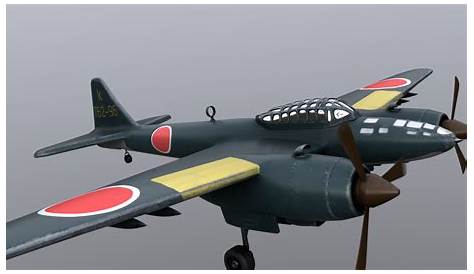
The Yokosuka P1Y Ginga was a significant Japanese bomber during World War II, specifically designed for long-range missions against Allied naval forces. Unlike many other aircraft of its time, the P1Y Ginga was built to execute strategic bombing missions while carrying substantial bomb loads. Its unique design and performance characteristics contributed to its role in Japan's naval operations, making it a noteworthy entry in the history of military aviation.
What was the purpose of the Yokosuka P1Y Ginga?
The Yokosuka P1Y Ginga served as a strategic bomber for the Imperial Japanese Navy during World War II. Its primary function was to conduct long-range bombing missions targeting Allied naval assets and installations. The Ginga aimed to replace older bombers that lacked the necessary speed and range for effective strikes. With its capacity for heavy bomb loads and the ability to launch attacks from considerable distances, the P1Y Ginga sought to disrupt enemy supply lines and naval operations. Its versatile design allowed it to operate in various theaters of war, making it a crucial asset in Japan's military aviation strategy.
How did the P1Y Ginga compare to other bombers of its time?
When comparing the P1Y Ginga to its contemporaries, such as the American B-24 Liberator and the British Avro Lancaster, distinct differences arise. The Ginga featured a unique design that blended bomber and reconnaissance aircraft elements, achieving a notable balance of speed and payload. It outperformed many contemporaries in speed, facilitating evasion of enemy interceptors. However, its range was limited compared to the B-24, which could transport larger bomb loads over extended distances. Additionally, the P1Y Ginga was produced in fewer numbers than its counterparts, impacting its overall effectiveness in the war.
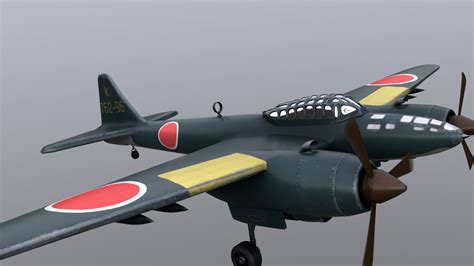
What were the key features and specifications of the P1Y Ginga?
The Yokosuka P1Y Ginga had several defining features and specifications. It boasted a wingspan of approximately 20 meters and was powered by two Nakajima NK9D engines, achieving a maximum speed of around 550 km/h. The aircraft could carry a bomb load of up to 800 kilograms, accommodating various types of ordnance. With a range of about 1,800 kilometers, it could conduct significant bombing missions with minimal refueling stops. Furthermore, the Ginga was equipped with defensive armament, including machine guns strategically positioned to fend off attacks from enemy fighters, enhancing its survivability during missions.
What challenges did the P1Y Ginga face during its service?
Despite its innovative design, the P1Y Ginga encountered several operational challenges that limited its effectiveness. Technical reliability was a significant issue, with early models suffering from engine problems that hindered mission readiness and performance. As the war progressed, the Ginga faced increasingly advanced Allied aircraft and enhanced anti-aircraft defenses, which posed additional challenges. Strategic limitations also emerged as Japan's military situation deteriorated, complicating the Ginga's ability to fulfill its intended role. These factors contributed to a mixed legacy for the aircraft, as it fell short of the impact that was initially anticipated.
What is the legacy of the P1Y Ginga in aviation history?
The legacy of the P1Y Ginga is multifaceted. While it may not have achieved the notoriety of other bombers, it marked an important development in Japanese aircraft design during WWII. The Ginga influenced post-war aircraft development, particularly in the areas of speed and range in bomber configurations. Its role in naval operations underscored the strategic importance of bombers in modern warfare, paving the way for future innovations in military aviation. Although overshadowed by more successful aircraft, the P1Y Ginga remains a significant part of Japan's aviation history.
Conclusion
To appreciate the Yokosuka P1Y Ginga, it is essential to examine its design and operational history, which shed light on Japan's strategic bombing efforts during WWII. Understanding the context of its development and use is crucial, rather than merely comparing it to more famous bombers. This perspective helps illustrate how the Ginga fits into the broader narrative of military aviation and its influence on the design of future aircraft.
Frequently Asked Questions
What was the production run of the Yokosuka P1Y Ginga?
The production of the Yokosuka P1Y Ginga was relatively limited, with approximately 1,200 units built throughout its operational period. This lower production number affected its presence in the war compared to other bombers that were mass-produced.
What types of bombs could the P1Y Ginga carry?
The P1Y Ginga could carry various types of bombs, including conventional high-explosive bombs and incendiary devices. It was designed to accommodate a bomb load of around 800 kilograms, allowing for flexibility in mission planning.
Did the P1Y Ginga see action in significant battles?
Yes, the P1Y Ginga participated in several significant battles, including attacks on Allied naval bases and supply lines in the Pacific theater. However, its impact was often overshadowed by the actions of more widely used aircraft.
What was the crew size for the P1Y Ginga?
The typical crew size for the P1Y Ginga consisted of about five members: a pilot, co-pilot, navigator, bombardier, and a gunner. This configuration was standard for bombers of its era.
How did the P1Y Ginga influence post-war aircraft?
The design principles of the P1Y Ginga influenced post-war aircraft development, particularly by emphasizing speed and range in bomber configurations. It contributed to a growing understanding of the strategic role bombers would play in future conflicts.