How Wearable Technology Can Transform Your Fitness Journey
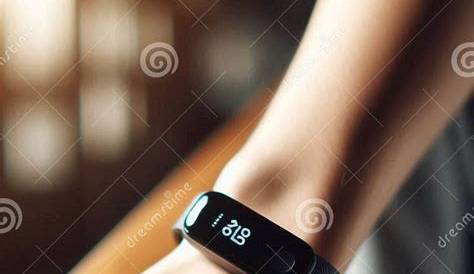
If you're considering a wearable device to enhance your fitness routine, you're in good company. Many tech-savvy individuals are turning to wearables like smartwatches and fitness trackers to monitor workouts and health metrics. These electronic devices, typically worn on the wrist or body, track various data related to physical activity and health, keeping you motivated and informed about your progress.
What exactly is wearable technology?
Wearable technology includes devices designed to be worn on the body, integrating into your daily life. Common examples are smartwatches, fitness trackers, smart clothing, and health-monitoring devices. Smartwatches combine traditional watch functions with features like notifications, GPS, and health tracking. Fitness trackers primarily monitor physical activity, heart rate, and sleep patterns, while smart clothing can provide insights on body temperature and muscle activity. Each type serves specific functions, catering to different fitness needs.
How can wearables improve my fitness routine?
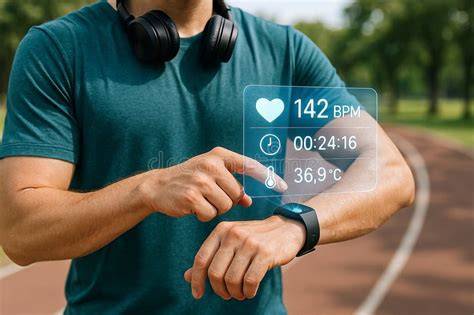
Wearable technology can enhance your workouts by providing real-time feedback and insights. Many fitness trackers monitor heart rate, helping you stay within target zones for fat burning or cardiovascular health during exercise. They also track metrics like calories burned, steps taken, and distance covered, giving you a clear picture of your daily activity levels. Some devices offer guided workouts or reminders to move, which can help maintain motivation and accountability. However, the effectiveness of these features depends on the specific device and your consistency in using it.
What should I consider when choosing a wearable device?
When selecting a wearable device, consider several key factors to ensure it aligns with your fitness goals. First, check compatibility with your smartphone or fitness apps. Battery life is crucial; some devices may need daily charging, while others can last for weeks. Evaluate the specific features offered, such as GPS for outdoor activities or sleep monitoring for recovery tracking. Lastly, think about your budget, as wearables range from affordable basic trackers to high-end smartwatches with advanced capabilities.
Are there any downsides to using wearables?
While wearables offer many benefits, there are potential drawbacks to consider. One concern is the risk of becoming overly reliant on technology; some users may focus too much on data, detracting from the enjoyment of exercising. Data privacy is also an issue, as many devices collect sensitive health information. Additionally, the accuracy of fitness tracking can vary between devices, so it’s essential to manage expectations. For instance, some trackers may overestimate calories burned or steps taken, leading to misleading conclusions about your fitness progress.
What are the next steps to integrate wearables into my fitness plan?
To effectively use your wearable device, start by setting clear fitness goals. Whether you aim to run a certain distance or improve your sleep quality, having specific targets will help you stay focused. Download any companion apps associated with your device, as they often provide detailed insights and allow you to track your progress over time. Familiarize yourself with all the features, such as setting reminders to move or logging workouts. Finally, regularly review your data to adjust your fitness plan as needed and celebrate your achievements.
Conclusion
Begin your journey with wearable technology by identifying your fitness goals and selecting a device that meets those needs. Focus on features that will enhance your routine rather than getting caught up in the popularity of certain brands. A successful experience will be reflected in consistent improvement in your fitness metrics, along with increased motivation and enjoyment in your workouts.
Frequently Asked Questions
What are the most popular wearable devices?
Some of the most popular wearable devices include the Apple Watch, Fitbit, and Garmin fitness trackers. Each offers unique features tailored to different fitness needs, such as heart rate monitoring, GPS tracking, and sleep analysis.
Can wearables help with weight loss?
Yes, wearables can assist with weight loss by tracking calories burned and physical activity, which helps maintain a calorie deficit. Many devices also provide insights into activity levels and suggest goals to keep you on track.
How accurate are fitness trackers?
The accuracy of fitness trackers can vary based on the device and the specific metric being measured. Generally, heart rate monitors are quite accurate, while step counts and calorie estimates may have some margin of error, particularly if the device isn’t worn correctly.
Do I need a smartphone to use a wearable?
While many wearables can function independently, most provide enhanced features and connectivity when paired with a smartphone. This connection allows for easier access to data, notifications, and app integrations.
How do I charge my wearable device?
Charging methods depend on the device type; most fitness trackers and smartwatches come with a charging dock or USB cable. Some newer models may support wireless charging, making the process more convenient.