Understanding Vehicle Registration Plates in Ireland
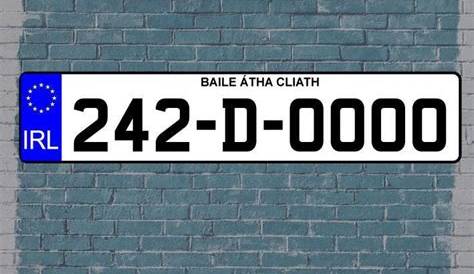
If you’ve just bought a car in Ireland, understanding how vehicle registration plates work is crucial for compliance and peace of mind. The registration plate provides essential information about when and where your car was registered. This guide will help you learn how to read your plate, how to register your vehicle, and what common mistakes to avoid as you embark on your journey as a new car owner.
What do the numbers and letters on my registration plate mean?
Irish registration plates follow a specific format that consists of numbers and letters, providing details about the vehicle's registration. The current format, introduced in 2013, includes a number indicating the year of registration, followed by a county code and a unique sequence of letters. For instance, in a plate like 21-D-12345, '21' signifies that the vehicle was registered in 2021, 'D' indicates Dublin, and '12345' serves as a unique identifier for the vehicle. The year number changes every January and July; thus, vehicles registered in the latter half of the year will have a number reflecting the second half, such as '71' for 2021. It's also important to recognize that vehicles registered before 2013 follow a different format, so understanding your plate's structure is vital for compliance with regulations.
How do I register my vehicle in Ireland?
Registering your vehicle in Ireland involves a straightforward process that requires specific documentation and fees. Start by completing the Vehicle Registration Form (VRT 1) and submitting it to the National Car Testing Service (NCTS) if your vehicle was imported. You must also provide proof of identity, proof of address, and details of the vehicle's purchase. After paying the Vehicle Registration Tax (VRT), which varies based on the vehicle's value and emissions, you will receive a Certificate of Registration. Bring this certificate to your local Motor Tax Office to obtain your registration plate and tax disc. Keep all documents organized to avoid delays caused by missing paperwork.
What are the common pitfalls when registering a vehicle?
New car owners often encounter several common mistakes during the registration process, which can lead to unnecessary delays. One frequent issue is submitting incorrect or incomplete documentation. For example, if you forget to include proof of identity or proof of purchase, your application may be rejected. Another common mistake is failing to meet registration deadlines; if you don’t register your vehicle within the required timeframe from the date of purchase or import, you may incur fines. Additionally, some people overlook the implications of the Vehicle Registration Tax on the final registration fee. Always double-check your forms and ensure you meet all requirements well before any deadlines.
Are there special plates for certain vehicles?
Yes, registration plates can differ based on the type of vehicle. For instance, commercial vehicles have a distinct registration format that typically begins with a 'C' followed by numbers, while electric vehicles may have specific identifiers indicating their zero-emission status. Classic cars, generally over 30 years old, might qualify for reduced rates or exemptions, but registration is still necessary. If you own one of these vehicles, check for any unique requirements or exemptions that apply to your situation to ensure you're following the correct procedures and benefiting from any available advantages.
What should I do if I lose my registration plate?
If you lose your registration plate, act quickly to avoid potential issues. First, report the loss to the Gardaí (police) to prevent misuse of your plate. Then, apply for a replacement plate through your local Motor Tax Office. You'll need to fill out a form and provide identification along with proof of vehicle ownership. There may be a small fee for the replacement, but obtaining it promptly helps ensure compliance with the law.
Conclusion
To begin your vehicle registration process in Ireland, gather necessary documents such as proof of identity and ownership, and be mindful of deadlines to avoid complications. Familiarizing yourself with the format of your registration plate will help you navigate any potential issues. Proper registration keeps you legal and allows you to enjoy your new car with confidence.
Frequently Asked Questions
How much does it cost to register a vehicle in Ireland?
The cost of registering a vehicle in Ireland varies based on the Vehicle Registration Tax (VRT), determined by the vehicle's value and emissions. You can expect to pay anywhere from a few hundred euros to several thousand, depending on these factors.
How long do I have to register my vehicle after purchase?
You typically have 30 days to register your vehicle after purchase or import. Failing to do so within this timeframe may result in fines or penalties.
Can I use my vehicle without a registration plate?
No, it is illegal to use a vehicle on public roads without a registration plate. Ensure you receive your plate before driving your new car.
What if I bought a vehicle from another EU country?
If you purchase a vehicle from another EU country, you must register it in Ireland within 30 days of bringing it into the country, including paying the appropriate VRT.
Are there any exemptions for registering classic cars?
Yes, classic cars over 30 years old may qualify for reduced registration fees or exemptions. However, they still need to be registered, so check with your local Motor Tax Office for specific rules.