The Legacy of Barney Oldfield: America’s First Racing Superstar
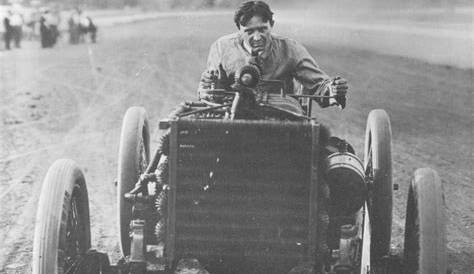
Barney Oldfield played a crucial role in popularizing auto racing in America during the early 20th century. As the country’s first racing superstar, he captivated audiences with his remarkable driving talent and charismatic personality. Oldfield's contributions helped transform auto racing from a niche activity into a widely embraced spectacle, establishing a foundation for the sport we recognize today.
Who was Barney Oldfield and why is he important?
Barney Oldfield, born in 1878 in Wauseon, Ohio, was a groundbreaking figure in American auto racing. He began his career as a bicycle racer before transitioning to automobiles, quickly gaining recognition. Oldfield was the first person to drive a car at over 60 miles per hour, a feat he achieved in 1903. His significance lies not only in his speed records but also in how he brought attention to the sport itself. At a time when racing was often seen as a reckless pastime, Oldfield's charisma and enthusiasm captivated audiences, helping to popularize auto racing across the United States. He also played a vital role in developing racing events and promoting automobiles as thrilling machines, paving the way for future generations of racers and fans alike.
What were Barney Oldfield's major achievements?
Throughout his career, Barney Oldfield set numerous records and earned accolades that solidified his status as a racing legend. He was the first driver to officially break the 60 mph barrier and, in 1910, he became the first to exceed 100 mph in a car. Oldfield won several prestigious races, including the early years of the Indianapolis 500, where his participation garnered significant media attention, even though he did not win the race itself. Known for his innovative spirit, he often experimented with car designs and promoted advancements in automotive technology. His famous car, the 'Blitzen Benz,' was among the fastest of its time, reflecting his desire to push the limits of speed. Oldfield's records and achievements not only showcased his exceptional talent but also contributed to the growing popularity of auto racing as a competitive sport.
How did Oldfield influence the perception of auto racing?
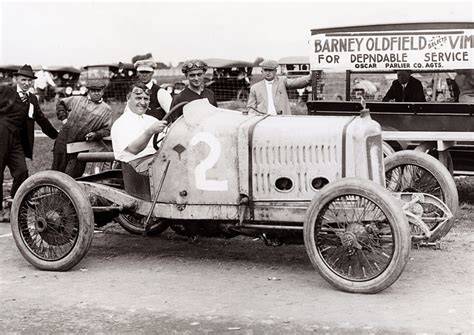
Barney Oldfield's personality significantly shaped the public's perception of auto racing. His flamboyant style, complete with a trademark leather helmet and goggles, made him a recognizable figure. Oldfield understood the power of publicity, often engaging with fans and the media to humanize racers and make them relatable. He participated in exhibitions and public events, showcasing his driving skills while entertaining crowds. This showmanship elevated the sport, transforming it from mere competition into an exciting spectacle that attracted a larger audience. Oldfield's ability to draw attention and captivate audiences helped legitimize auto racing, encouraging more people to view it as a genuine sport rather than just a reckless pastime.
What challenges did Oldfield face in his career?
Despite his successes, Barney Oldfield encountered numerous challenges throughout his racing career. Competition was fierce, with many talented drivers emerging during his era, each vying for recognition and success. Safety concerns were also a significant issue; the early 20th century lacked the safety standards we expect today, and accidents were common. Oldfield himself survived several serious crashes, highlighting the risks involved in racing. As the sport evolved, regulations began to change, leading to controversies regarding race formats and specifications. Oldfield had to adapt to these changes while maintaining his competitive edge. His resilience in the face of these challenges reflects his dedication to the sport and his desire to remain at the forefront of auto racing.
What can we learn from Barney Oldfield's legacy today?
Barney Oldfield's legacy offers valuable lessons for modern motorsports. His pioneering spirit exemplifies the importance of innovation and experimentation in racing. Oldfield's ability to connect with fans highlights the significance of personality and marketing in building a sport's popularity. Additionally, his experiences with safety concerns remind us that progress in regulations is crucial to protect drivers and spectators alike. Today’s racers can draw inspiration from Oldfield’s commitment to pushing boundaries while engaging with their audience. His legacy encourages current and future drivers to embrace their roles not just as competitors, but as ambassadors for the sport.
Conclusion
To truly appreciate Barney Oldfield's impact on auto racing, explore his major races and records, and consider how his personality shaped public perception of the sport. Understanding Oldfield's contributions can deepen your appreciation for auto racing today. His journey illustrates how charisma, innovation, and resilience can elevate not just an individual, but an entire sport.
Frequently Asked Questions
What years did Barney Oldfield race?
Barney Oldfield's racing career spanned from the early 1900s until the late 1910s. He gained prominence around 1902 and continued to compete actively until around 1914.
What was Barney Oldfield's most famous car?
One of Barney Oldfield's most famous cars was the 'Blitzen Benz,' known for its remarkable speed and engineering. This car helped him achieve several speed records during his racing career.
Did Barney Oldfield win the Indianapolis 500?
No, Barney Oldfield did not win the Indianapolis 500, although he participated in the early years of the race and was a significant figure in promoting it.
How did Barney Oldfield contribute to safety in auto racing?
While Barney Oldfield faced many safety challenges during his racing career, his experiences highlighted the need for improved safety standards. His accidents raised awareness of the dangers of racing and contributed to evolving regulations in the sport.
What is Barney Oldfield's legacy in auto racing today?
Barney Oldfield's legacy in auto racing is one of innovation, charisma, and popularity. He is remembered as a pioneer who helped transform auto racing into a mainstream sport, inspiring future generations of drivers and fans.