What You Need to Know Before Playing Dark Souls II
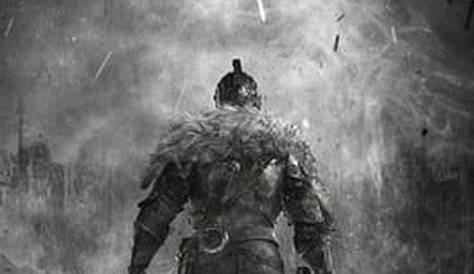
If you're new to the Dark Souls series and considering Dark Souls II, this game is known for its challenging gameplay and intricate mechanics. You can expect a unique experience that differs from its predecessors, particularly in how it handles healing and world design. By understanding these differences and how to tackle the initial difficulty, you can enjoy the game without getting frustrated.
What makes Dark Souls II different from the other games?
Dark Souls II stands out primarily due to its different design philosophy and mechanics. One of the most notable changes is how healing is managed. Instead of using a fixed Estus Flask like in the first and third games, you'll rely on lifegems, which can be more plentiful but less effective for restoring health. This means you'll need to manage your healing items actively, often finding yourself in situations where you can’t heal as quickly or efficiently as you'd like.
Another key difference lies in the game’s world design. Unlike Dark Souls and Dark Souls III, which feature interconnected worlds that reward exploration, Dark Souls II opts for a more linear approach. The areas feel more segmented, and while there are shortcuts, the overall layout can feel less cohesive, affecting your sense of discovery and progression.
In terms of gameplay, Dark Souls II places a higher emphasis on adaptability as a stat, influencing your invincibility frames while rolling. If you don't focus on this stat, dodging enemy attacks can be more challenging compared to the other games. Overall, while Dark Souls II retains the core elements that fans love, its differences can significantly shape your experience and strategy.
How do I prepare for the difficulty of Dark Souls II?
Preparing for the difficulty in Dark Souls II is essential for a smoother experience. First, choose a starting class that suits your play style. For newcomers, classes like the Knight or Warrior can be forgiving due to their high starting armor and health. If you prefer a magic-inclined approach, the Sorcerer class allows you to attack from a distance and manage threats more easily.
Character builds are also crucial. Focus on balanced stats that enhance your survivability and damage output. Investing in vigor increases your health, while endurance improves your stamina. Don’t underestimate adaptability; this stat directly impacts your ability to dodge effectively, so consider investing points here early on.
As you play, take your time to learn enemy patterns. The game rewards patience and observation. Each enemy has specific attack animations that can be dodged or countered effectively once learned. Avoid rushing into combat; instead, approach encounters strategically. If a particular area proves too challenging, explore other paths or level up before returning. This flexibility can significantly ease the difficulty curve.
What are the most common mistakes new players make?
New players often fall into several common traps that can lead to frustration. One of the biggest mistakes is overextending during combat. It’s tempting to unleash a flurry of attacks, but Dark Souls II rewards a more measured approach. Going all out can leave you open to counterattacks, leading to an untimely death. It's often better to strike once or twice and then back off to reassess.
Another prevalent issue is neglecting item management. Lifegems are your primary source of healing, but many players forget to stock up before heading into tougher areas. Running out of healing items can quickly turn a challenging but manageable encounter into a death sentence. Make a habit of checking your inventory and replenishing items whenever possible.
Additionally, many new players overlook the importance of leveling up their character. Don’t hesitate to spend souls on improving your stats or purchasing necessary items, especially after defeating bosses or clearing difficult areas. Ignoring this aspect can make future challenges feel insurmountable and lead to discouragement. Staying aware of your resources and managing your combat strategy can greatly enhance your experience.
Can I play Dark Souls II solo or should I consider multiplayer?
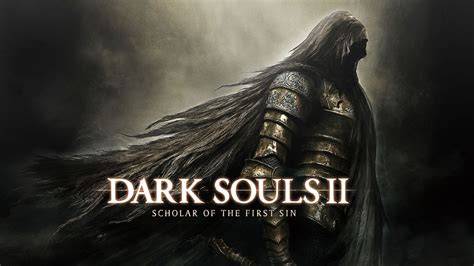
You can absolutely play Dark Souls II solo, and many players do. The game is designed to be challenging yet rewarding on your own. However, engaging with the multiplayer elements can enhance your experience. The game features a summoning system that allows you to call in other players for help during tough boss fights or challenging areas, which can provide a much-needed advantage, especially when you’re struggling.
On the flip side, playing solo lets you experience the game at your own pace and immerse yourself in the lore and atmosphere. If you prefer to explore and learn enemy patterns without the pressure of others, going solo may be the right choice for you. Just remember that some areas may feel daunting without assistance.
If you decide to explore the multiplayer aspects, be aware of potential challenges. You might encounter hostile players who invade your world, adding an extra layer of difficulty. This can be thrilling or frustrating, depending on your play style. Ultimately, whether you choose to go solo or incorporate multiplayer elements depends on how you enjoy tackling challenges and engaging with the game's world.
What are some tips for enjoying the game and not getting discouraged?
To enjoy Dark Souls II while navigating its challenges, maintain a positive mindset. First, embrace the learning curve. Death is part of the experience, and each failure can teach you something valuable about enemy patterns or your own approach. Don’t hesitate to experiment with different weapons or strategies until you find what suits you best.
Take breaks when you feel frustrated. Stepping away for a while can help clear your mind and reduce the urge to rush through the game. Return when you feel refreshed, and you might find that challenges seem more manageable. Connecting with the community can also be beneficial—many players share tips, strategies, and experiences, providing encouragement.
Lastly, set small, achievable goals for each gaming session. Instead of focusing solely on defeating a challenging boss, aim to explore a new area or upgrade your character. These smaller milestones can provide a sense of accomplishment and help keep you motivated. Remember, the journey through Dark Souls II is just as important as the destination, so take your time and enjoy the ride.
Conclusion
Start your adventure in Dark Souls II by choosing a class that fits your play style—Knight or Warrior is often a safe choice for new players. Focus on managing your resources and learning enemy patterns, and don’t hesitate to explore other areas if you find yourself stuck. If you hit a wall, take a break or seek out the community for support. With patience and practice, you’ll not only overcome the game’s challenges but also appreciate the rich experience it offers.
Frequently Asked Questions
Is Dark Souls II harder than Dark Souls?
Dark Souls II is known for its challenges, but whether it is harder than Dark Souls can depend on your play style. Some players find the mechanics and enemy placements in Dark Souls II more punishing, while others feel more comfortable with its systems. Ultimately, it varies from player to player.
What is the best class for beginners in Dark Souls II?
For beginners, the Knight or Warrior class is often recommended due to their high health and strong armor. These classes provide a good balance of offense and defense, making it easier to learn the game's mechanics without being too overwhelmed.
Can you play Dark Souls II co-op?
Yes, Dark Souls II features a multiplayer system that allows players to summon others for co-op play. You can call on friends or random players to assist you during tough boss fights or challenging areas, which can make the experience more manageable.
How long does it take to beat Dark Souls II?
The time it takes to beat Dark Souls II can vary widely based on your play style. On average, players can expect to spend around 30 to 50 hours to complete the game, but this can extend significantly if you aim to explore everything or face challenges multiple times.
What should I do if I'm stuck on a boss?
If you're stuck on a boss in Dark Souls II, consider leveling up your character, trying different weapon builds, or searching for new strategies online. You might also take a break and return with a fresh mindset, as sometimes a little distance can help you see the solution.