Understanding the Bantu Peoples of South Africa
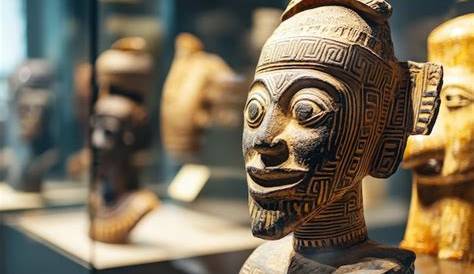
If you're curious about the cultural heritage of South Africa, understanding the Bantu peoples is essential. The Bantu peoples are a diverse group of ethnolinguistic communities that migrated from West Africa to various parts of the continent, including South Africa, over thousands of years. They share a common linguistic root and cultural practices, which have significantly shaped the history and identity of southern Africa. This article will explore their origins, languages, cultural practices, and the challenges they face today.
Who are the Bantu peoples and where did they come from?
The Bantu peoples originated from a region near present-day Nigeria and Cameroon. Around 1000 BC, they began a series of migrations known as the Bantu Expansion, moving southward and eastward across the continent. By around 500 AD, they had reached regions of southern Africa, including present-day South Africa, Zimbabwe, and Mozambique. This migration occurred in waves over centuries, influenced by advancements in agriculture and iron-working technology. As they settled in new areas, the Bantu peoples interacted with local populations, resulting in diverse cultural exchanges and the establishment of various societies. It's important to recognize that the Bantu peoples comprise many distinct groups, each with its own history and cultural practices.
What languages do Bantu peoples speak?
Bantu languages belong to the larger Niger-Congo language family and include more than 500 languages spoken across sub-Saharan Africa. In South Africa, the most prominent Bantu languages are Zulu, Xhosa, and Sesotho. These languages are crucial not only for communication but also for expressing cultural identity and heritage. For example, Zulu and Xhosa incorporate rich oral traditions, including storytelling and proverbs, which convey moral lessons and community values. While many Bantu speakers are multilingual and often speak English or Afrikaans due to historical influences, their native languages remain vital to their identity. It's a common misconception that all Bantu languages are mutually intelligible; although they share similarities, each language is distinct and may not be understood by speakers of other Bantu languages.
What are the traditional customs and beliefs of Bantu societies?
Bantu societies are characterized by a rich array of customs and beliefs, many centered around spirituality and community. Ancestor worship is a key component, where respect for ancestors guides daily life and decision-making. Rituals, such as those for birth, marriage, and death, play a critical role in reinforcing communal bonds and cultural identity. For instance, during weddings, traditional practices often include the payment of lobola, a bride price that symbolizes respect and commitment. Many Bantu communities also engage in traditional healing, relying on herbal medicine and spiritual guidance from healers known as sangomas. While Christianity and other religions have gained followers, traditional beliefs continue to coexist and influence daily life. It's a misconception that modernization has completely replaced these customs; many Bantu people honor their ancestral practices alongside contemporary beliefs.
How has Bantu culture influenced South Africa today?
Bantu culture has significantly shaped contemporary South African society in various ways. Artistic expressions such as music, dance, and visual arts reflect Bantu traditions, with genres like kwaito and mbube rooted in these cultural practices. The vibrant beadwork and pottery of Bantu communities showcase their artistic heritage and enjoy popularity both locally and internationally. Socially, Bantu customs emphasize community and family ties, which continue to influence social structures in modern South Africa. For example, traditional leadership roles still hold significance in many communities, balancing modern governance with cultural heritage. However, some may overlook the depth of this influence, focusing instead on the more visible aspects of South Africa's cultural diversity. Understanding the underlying Bantu traditions enriches the broader narrative of South African identity.
What challenges do Bantu communities face in modern South Africa?
Despite their rich cultural heritage, Bantu communities in South Africa face several challenges today. Economic disparities are significant, with many communities struggling with poverty and unemployment. Land rights issues also persist, as historical injustices related to land dispossession during apartheid continue to affect many Bantu families. Additionally, cultural preservation is a growing concern; globalization and urbanization can dilute traditional practices and languages. Efforts to promote and protect Bantu cultures, such as educational programs and cultural festivals, are underway, but the impact of modern pressures cannot be ignored. Often, people may not recognize the extent of these challenges, viewing Bantu communities through a singular lens rather than appreciating their complexity and resilience.
Conclusion
To truly understand the Bantu peoples of South Africa, explore their languages and cultural practices, as these are fundamental to their identity. Examine how their traditions have shaped contemporary society while acknowledging the challenges they face. This approach will foster a deeper appreciation of Bantu heritage and its ongoing influence in South Africa, helping you grasp the nuances of their cultural legacy.
Frequently Asked Questions
What are the main Bantu languages spoken in South Africa?
The main Bantu languages in South Africa include Zulu, Xhosa, Sesotho, and Setswana. Each language has its unique dialects and plays a vital role in the cultural identity of the communities that speak them.
What is ancestor worship in Bantu culture?
Ancestor worship is a spiritual practice where Bantu people honor and communicate with their ancestors, believing they can influence daily life. This often involves rituals, offerings, and ceremonies to show respect and seek guidance.
How do Bantu customs influence modern South African society?
Bantu customs greatly influence modern South African society through art, music, and family structures. Many contemporary practices still reflect traditional values, emphasizing community and familial ties.
What economic challenges do Bantu communities face?
Bantu communities often experience economic challenges such as high unemployment rates and poverty. These issues are rooted in historical injustices and continue to affect their development and opportunities.
How are Bantu languages preserved in modern times?
Bantu languages are preserved through educational initiatives, cultural festivals, and community programs aimed at promoting language use among younger generations. However, the influence of global languages poses ongoing challenges.