Understanding the 2018–2019 Student Protests in Albania
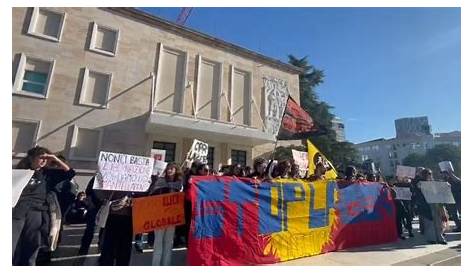
The 2018–2019 student protests in Albania were fundamentally triggered by rising tuition fees and concerns about the declining quality of education. Beginning in late 2018, these protests saw thousands of students mobilize, demanding significant reforms to the education system. Examining the causes, key events, and outcomes of these protests reveals their profound impact on educational policy in Albania.
What sparked the 2018–2019 student protests in Albania?
The protests were ignited by the government's decision to increase tuition fees at public universities, which many students viewed as unjust. This decision came at a time when students were already facing financial challenges in covering educational expenses. Additionally, students voiced their frustrations regarding the quality of education, pointing to outdated curricula, insufficient facilities, and a lack of resources. They felt increasingly disconnected from the government, believing that their concerns were not being addressed. This rising dissatisfaction led to spontaneous protests organized across multiple universities.
What happened during the protests?
The protests officially began in December 2018 and quickly escalated, with major demonstrations occurring in Tirana and other cities. One of the largest gatherings took place on December 8, when thousands of students marched to the Ministry of Education, demanding a meeting with officials. Initially, the government tried to downplay the protests, but as the movement gained traction, they were compelled to engage in dialogue. By December 10, students had articulated a series of demands, which included not only the reversal of tuition hikes but also broader reforms aimed at enhancing educational standards. The protests continued into early 2019, with students staging sit-ins and forming human chains to amplify their message.
What were the demands of the students?
During the protests, students made several key demands, including the repeal of tuition fee increases, greater transparency in educational funding, and improvements in teaching quality and facilities. They also sought reforms to increase student representation in university governance, aiming to ensure their voices would be included in future decisions regarding their education. This list of demands reflected a commitment to achieving a more equitable and effective education system, highlighting the students' desire for both immediate solutions and long-term improvements.
What impact did the protests have on Albanian education policy?
The protests led to significant changes in Albanian education policy. In response to the growing pressure, the government agreed to halt the tuition fee increases and initiated discussions on broader educational reforms. This dialogue resulted in the formation of a committee to review and propose changes to existing education laws. While some students felt that the government's measures were insufficient and called for continued activism, others recognized the protests as a crucial catalyst for necessary discussions about the future of education in Albania. The effectiveness of these changes continues to be a topic of debate, as many students remain active in advocating for comprehensive reforms.
How can you get involved in current student movements?
If you are interested in supporting current student movements, there are several ways to get involved. Start by following local and national student organizations on social media, as they often share information about upcoming protests, meetings, and campaigns. You might also consider joining or forming a student group at your university focused on issues you care about. Engaging in discussions, attending events, and connecting with like-minded peers can amplify your impact. Additionally, educating yourself on relevant issues and sharing that knowledge with others helps foster a community of informed advocates.
Conclusion
To understand the implications of the 2018–2019 student protests in Albania, focus on the specific demands made by the students and how these reflect broader issues within the education system. Keep an eye on ongoing discussions regarding educational reform in Albania and consider how similar challenges might arise in your own context. Involving yourself in current student movements can enhance your research and empower you to contribute to meaningful change.
Frequently Asked Questions
What were the main reasons for the student protests in Albania?
The protests were mainly sparked by rising tuition fees and concerns about the declining quality of education. Students felt that the government's policies were unfair and disconnected from their needs.
What were the key events during the student protests?
Major events included large demonstrations in Tirana, particularly on December 8, 2018, when thousands marched to the Ministry of Education. The protests featured sit-ins and human chains, demonstrating students' determination to be heard.
What specific demands did the students make?
Students demanded the repeal of tuition hikes, greater transparency in educational funding, improved teaching quality, and better student representation in university governance.
What changes occurred in Albanian education policy as a result of the protests?
The government agreed to halt tuition fee increases and initiated discussions for broader educational reforms, leading to the establishment of a committee to review education laws.
How can I support current student movements?
You can support student movements by following student organizations, joining local advocacy groups, attending events, and educating yourself and others about the issues at stake.