Understanding the 2017 Albanian Opposition Protests
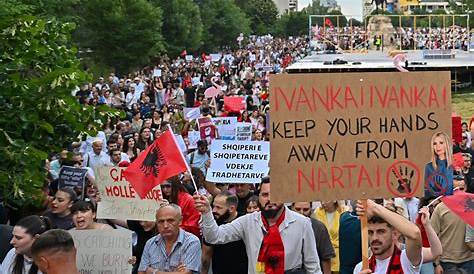
In 2017, Albania faced significant opposition protests driven by widespread allegations of corruption and serious concerns regarding electoral integrity. Many citizens took to the streets to demand accountability and reform from the ruling government, particularly targeting Prime Minister Edi Rama. These protests not only underscored public frustration but also marked a crucial moment in Albania's ongoing pursuit of democratic governance.
What sparked the 2017 protests in Albania?
The 2017 protests were ignited by allegations of corruption against the ruling Socialist Party. Citizens grew increasingly frustrated with a series of scandals that suggested the government was failing to address rampant corruption and mismanagement. Furthermore, there were significant concerns about the electoral process, with accusations of vote manipulation and threats to democracy. This political climate fostered a sense of disillusionment among the populace, leading to widespread calls for reform and accountability.
What happened during the protests?
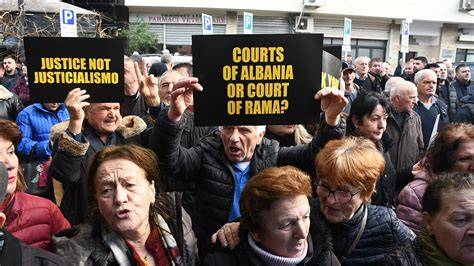
Throughout 2017, thousands of people gathered in Tirana and other cities to voice their dissent. The main opposition party, the Democratic Party, played a crucial role in organizing these demonstrations, which often escalated into clashes with the police. Protesters demanded the resignation of Prime Minister Edi Rama, citing his government's ineffective measures against corruption. Key events included a major protest in February, where thousands marched through the streets, resulting in multiple violent confrontations between protesters and law enforcement. As the protests continued for months, they drew significant national and international attention.
How did social media influence the protests?
Social media emerged as a crucial tool for protesters during the 2017 events. Platforms like Facebook and Twitter enabled organizers to quickly share information about protest locations and times, effectively mobilizing supporters. Hashtags related to the protests gained traction, raising awareness about the issues at stake. This online engagement facilitated real-time communication and fostered a sense of solidarity among participants. However, the government also leveraged social media to counter the protests' narrative, leading to a complex battle for public opinion.
What was the government’s response?
The Albanian government's response to the protests was complex and often reactive. Initially, officials downplayed the protests, framing them as politically motivated attempts to destabilize the country. As the demonstrations grew in size and intensity, the government increased police presence and implemented security measures to control the crowds. In some cases, law enforcement resorted to using tear gas and water cannons to disperse protesters. Public sentiment remained divided, with some citizens supporting the government's actions, while others viewed the response as heavy-handed and unjustified.
What are the lasting effects of the 2017 protests on Albania?
The 2017 protests have had a lasting impact on Albania's political landscape and societal dynamics. They sparked a broader conversation about corruption, governance, and the need for electoral reform. While the protests did not yield immediate political change, they heightened public awareness about the importance of accountability. In the long term, they contributed to increased public scrutiny of government actions and encouraged a more engaged civil society. Political dynamics shifted, with opposition parties gaining renewed vigor in their efforts to challenge the ruling party.
Conclusion
The 2017 Albanian opposition protests highlight critical issues of corruption and electoral integrity. Understanding these protests sheds light on the current political climate and the evolution of public engagement in governance. Positive outcomes from these events include heightened public accountability and a more active citizenry demanding change—essential components for a healthier democratic process in Albania.
Frequently Asked Questions
What were the main demands of the protesters?
Protesters primarily demanded the resignation of Prime Minister Edi Rama and called for investigations into corruption allegations against his government. They also sought assurances for fair electoral practices and greater accountability within the political system.
Did the protests lead to any political changes?
While the protests did not immediately result in a change of government, they significantly raised public awareness about corruption and governance issues. They also revitalized opposition parties, leading to increased political engagement among citizens.
How did the international community react to the protests?
The international community closely monitored the protests, expressing concern over the tensions and urging all parties to engage in dialogue. Some foreign governments and organizations supported the need for reforms and emphasized the importance of upholding democratic principles.
Were there any notable incidents during the protests?
Yes, several protests escalated into violence, with clashes between protesters and police reported in various instances. One notable incident involved a major protest in February that resulted in significant police intervention and numerous arrests.
What role did the Democratic Party play in the protests?
The Democratic Party played a central role in organizing the protests, providing a platform for citizens to express their grievances against the government. They used the demonstrations to rally support and highlight their opposition to the ruling party's policies.