Understanding the 2011 Albanian Opposition Demonstrations
The 2011 Albanian opposition demonstrations were a significant response to political corruption and disputed electoral practices. Sparked by the controversial results of the 2009 parliamentary elections, these protests reflected widespread public discontent and calls for reforms. In January 2011, thousands of citizens took to the streets, demanding accountability from their leaders in a system they felt was failing them.
What sparked the 2011 Albanian opposition demonstrations?
The 2011 demonstrations in Albania were primarily driven by widespread discontent with corruption and electoral integrity. The immediate catalyst was the disputed results of the 2009 parliamentary elections, which many opposition parties claimed were marred by irregularities and fraud. This perception of a lack of fair democratic processes led to growing frustration among citizens who felt their voices were not being heard. Economic issues also played a significant role; high unemployment rates and rising living costs added urgency to the demands for change. In a country where many felt marginalized and disenfranchised, calls for transparency and reform gained traction, culminating in the mass protests of January 21, 2011. It wasn't just about one election; it represented a system perceived as corrupt and unresponsive to the needs of ordinary people.
What happened during the protests?
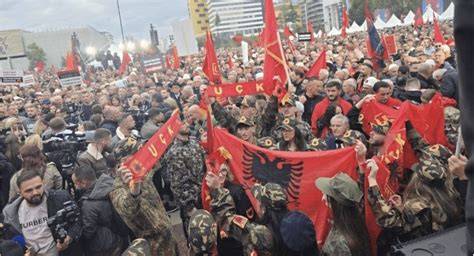
On January 21, 2011, thousands of demonstrators gathered in Tirana, the capital, primarily organized by the opposition Socialist Party. The protests initially began peacefully but escalated significantly when clashes broke out between protesters and police. Tensions rose as protesters attempted to breach police lines, leading to violent confrontations. Tragically, the protests turned deadly when police fired on the crowd, resulting in the deaths of four individuals. This incident sparked outrage and intensified calls for government accountability. The dramatic scenes of unrest received widespread media coverage, drawing attention from international observers concerned about human rights and the state of democracy in the region. The protests highlighted the rift between the government and a significant portion of the population, who felt their grievances were being ignored.
What was the government's response?
The Albanian government's response to the demonstrations was characterized by a mix of denial and attempts to quell the unrest. Initially, Prime Minister Sali Berisha dismissed the protests as politically motivated, claiming they were orchestrated by opposition parties seeking to destabilize his government. However, as violence escalated and public pressure mounted, the government was compelled to engage in dialogue. In the aftermath of the protests, officials announced plans for reforms aimed at addressing some of the protesters' concerns, particularly focusing on electoral reform and anti-corruption measures. Critics argued that these responses were insufficient and largely symbolic, lacking the concrete changes necessary to restore public trust. The government also faced international scrutiny, with calls for accountability regarding the police's use of force during the protests, creating a delicate balancing act as it attempted to maintain order while responding to legitimate public grievances.
What were the outcomes of the demonstrations?
The outcomes of the 2011 Albanian opposition demonstrations were significant in both the short and long term. In the immediate aftermath, the protests underscored deep-seated issues of corruption and the need for electoral reforms, leading to some government concessions. While the government promised reforms, the actual implementation was slow and often perceived as inadequate. Over time, these demonstrations contributed to a growing political awareness among the Albanian public, fostering a climate where civic engagement became more pronounced. In a broader context, the protests reflected ongoing tensions within the Balkans regarding governance, democracy, and accountability. They served as a reminder that while political systems may appear stable, underlying grievances can lead to significant unrest. The events of 2011 also influenced subsequent political movements in Albania and neighboring countries, illustrating the interconnected nature of political challenges in the region.
How do these events fit into the broader context of Balkan politics?
The 2011 demonstrations in Albania are emblematic of the broader political issues facing the Balkans, a region historically grappling with challenges such as political corruption, weak institutions, and ethnonationalism, which can lead to social unrest. The protests in Albania highlighted how citizens' frustrations with their governments can translate into mass mobilization, a trend seen in other Balkan states around the same time. For instance, similar protests occurred in neighboring countries, reflecting a collective desire for democratic reforms and accountability. The Albanian protests also illustrated how local grievances can resonate with larger regional issues, such as the struggle for genuine democratic governance and the rule of law. This interconnectedness suggests that events in one country can influence political movements and public sentiment in surrounding states, fostering a shared understanding of the need for reform across the Balkans.
Conclusion
To understand the political landscape in Albania and the Balkans, explore the specific grievances that led to the 2011 protests. Examine how these events relate to ongoing issues of governance and public trust in political institutions. Acknowledging the interconnectedness of Balkan politics will provide deeper insight into both local and regional dynamics. A successful research outcome would be a nuanced appreciation of how historical and contemporary issues shape political unrest in this complex region.
Frequently Asked Questions
What were the main reasons behind the 2011 Albanian opposition demonstrations?
The main reasons included widespread corruption, disputed election results from 2009, and growing economic discontent among the population. These factors led many citizens to demand greater transparency and accountability from their government.
What were some key events during the protests?
Key events included the gathering of thousands of protesters in Tirana and the violent clashes with police on January 21, 2011, which resulted in four deaths. The protests highlighted the deep divisions between the government and the populace.
How did the Albanian government respond to the protests?
Initially, the government dismissed the protests but later engaged in dialogue and promised reforms related to electoral integrity and anti-corruption. However, many felt these measures were inadequate.
What long-term effects did the demonstrations have on Albania?
The demonstrations raised public awareness about political issues and contributed to ongoing discussions about governance and reform. They emphasized the need for greater civic engagement and accountability in the political system.
How do the 2011 protests relate to other political movements in the Balkans?
The protests in Albania reflected broader regional challenges, such as corruption and a lack of democratic governance. Similar movements in neighboring countries showed a collective desire for change, indicating a shared struggle for accountability across the Balkans.