Understanding the 1932 Abaco Hurricane and Its Impact
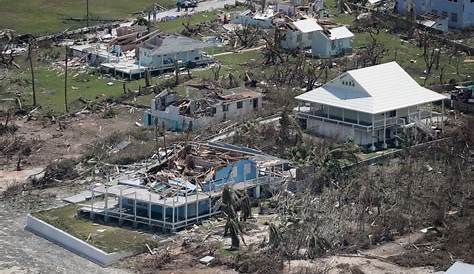
The 1932 Abaco Hurricane was a devastating Category 5 storm that struck the Abaco Islands in late September, causing immense destruction and loss of life. Its impact on the Bahamas highlighted the vulnerabilities of island communities to such natural disasters. Understanding this hurricane's timeline, its effects on the islands, and the experiences of survivors provides valuable insights into the challenges faced by the Bahamas during hurricanes.
What happened during the 1932 Abaco hurricane?
The 1932 Abaco Hurricane formed in the Atlantic Ocean around September 26, 1932. It quickly intensified and made landfall on the Abaco Islands on September 28. The storm brought sustained winds exceeding 150 miles per hour, causing widespread destruction. It moved through the islands and dissipated by September 30, leaving a path of devastation across the Bahamas. This hurricane marked one of the most powerful storms to affect the region at that time.
How did the hurricane affect the Abaco Islands?
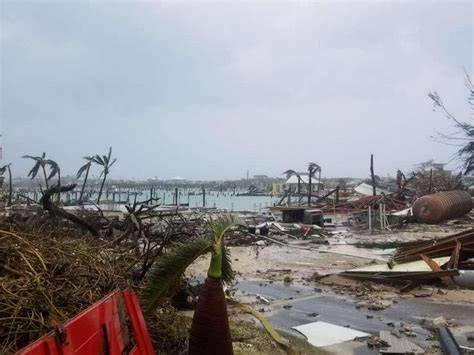
The Abaco Islands faced catastrophic damage from the hurricane. Homes, businesses, and infrastructure were obliterated, particularly in Marsh Harbour and Hope Town. Many structures, primarily made of wood, could not withstand the fierce winds and rain; they were either completely destroyed or severely damaged. The natural environment also suffered significantly, with flooding and storm surges altering coastal landscapes and affecting local ecosystems. Recovery efforts were slow, as extensive damage left communities struggling to rebuild.
What were the immediate effects on the local population?
The human toll of the hurricane was significant. Many families were displaced, with homes destroyed or rendered uninhabitable. Reports indicate that at least 20 people lost their lives, and many more were injured. Survivors faced challenges accessing food, clean water, and medical care. Communities banded together, sharing resources and offering shelter to those affected. The immediate aftermath showcased the resilience of residents as they began clearing debris and rebuilding their lives, despite the devastation.
How did this hurricane shape future hurricane preparedness?
The 1932 Abaco Hurricane underscored the urgent need for improved hurricane preparedness in the Bahamas. In the years that followed, building codes were revised to require structures that could withstand stronger winds. Local governments developed more effective disaster response plans. This storm served as a wake-up call, prompting authorities to invest in better forecasting and warning systems, which have evolved to help mitigate the impact of future hurricanes. The lessons learned from this disaster have been integral in shaping the Bahamas' approach to hurricanes today.
What lessons can we learn from the 1932 Abaco hurricane today?
The 1932 Abaco Hurricane emphasizes the importance of resilience and preparedness in the face of natural disasters. Understanding the vulnerabilities of communities, especially in hurricane-prone regions, leads to better planning and stronger infrastructures. As climate change continues to affect storm patterns and intensities, the lessons from 1932 remind us of the need for ongoing adaptation and investment in disaster preparedness, ensuring that communities are better equipped to handle future storms.
Conclusion
To grasp the impact of the 1932 Abaco Hurricane, it's essential to explore personal stories of survivors and understand the immediate aftermath. Recognizing how this event shaped the Bahamas' approach to hurricanes highlights ongoing efforts in disaster preparedness today. Ignoring these lessons could leave communities vulnerable to the increasing threats posed by climate change and future storms. Advocating for stronger building codes and better community readiness is crucial as we face inevitable storms ahead.
Frequently Asked Questions
What was the path of the 1932 Abaco hurricane?
The 1932 Abaco Hurricane formed in the Atlantic and made landfall on the Abaco Islands before dissipating. Its path included significant impacts on Marsh Harbour and other nearby areas.
How strong was the 1932 Abaco hurricane?
The hurricane reached Category 5 status, with sustained winds exceeding 150 miles per hour. This made it one of the most powerful storms to hit the Bahamas at that time.
What were the long-term effects of the 1932 Abaco hurricane?
Long-term effects included changes in building codes and improvements in disaster response strategies. The hurricane prompted the Bahamas to reevaluate its preparedness for future storms.
How many people died in the 1932 Abaco hurricane?
At least 20 people lost their lives as a direct result of the hurricane, with many others injured and displaced.
What can we learn from the 1932 Abaco hurricane?
We can learn about the importance of community resilience, the need for effective disaster preparedness, and the necessity of adapting building practices in hurricane-prone areas.